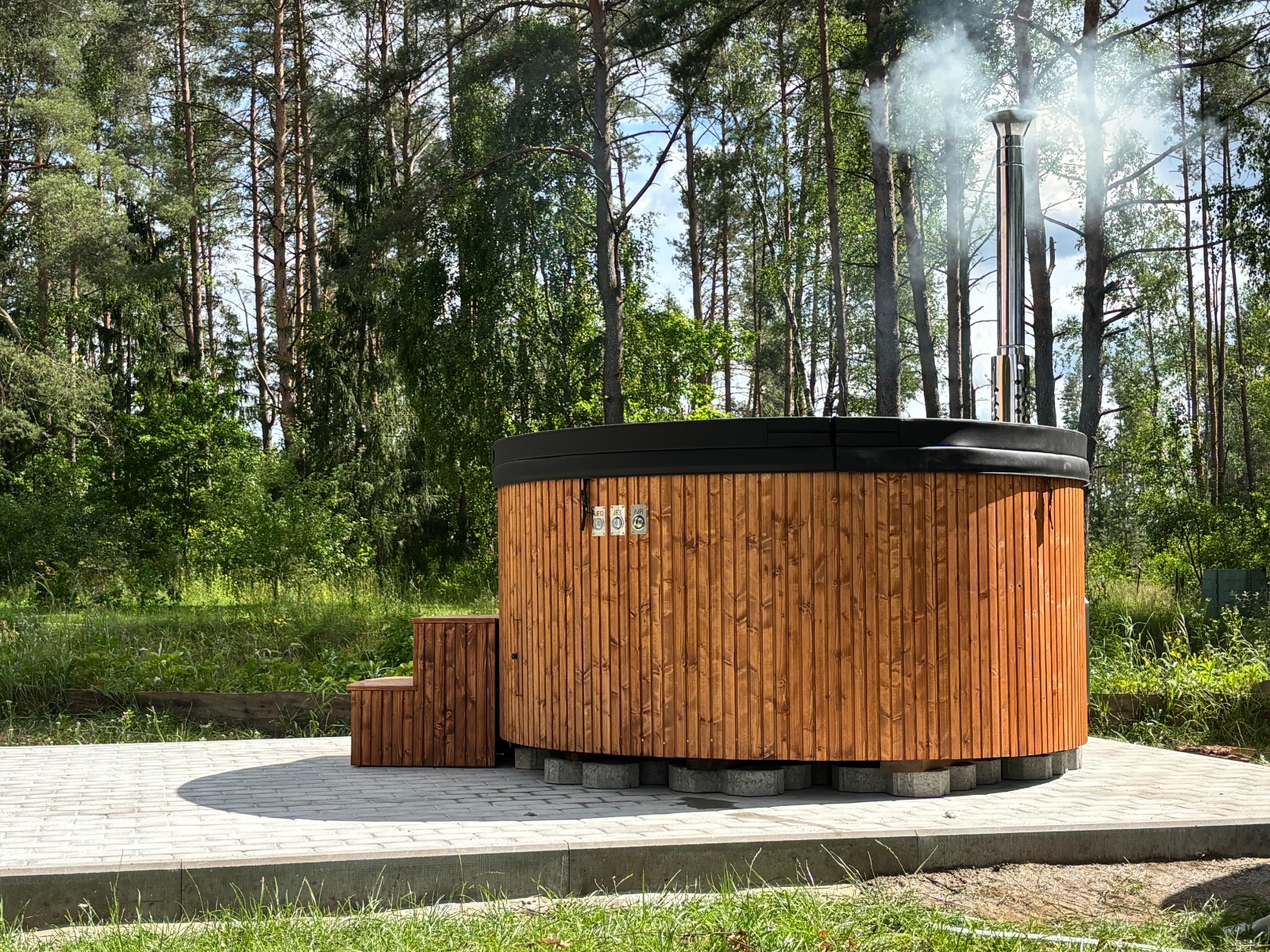
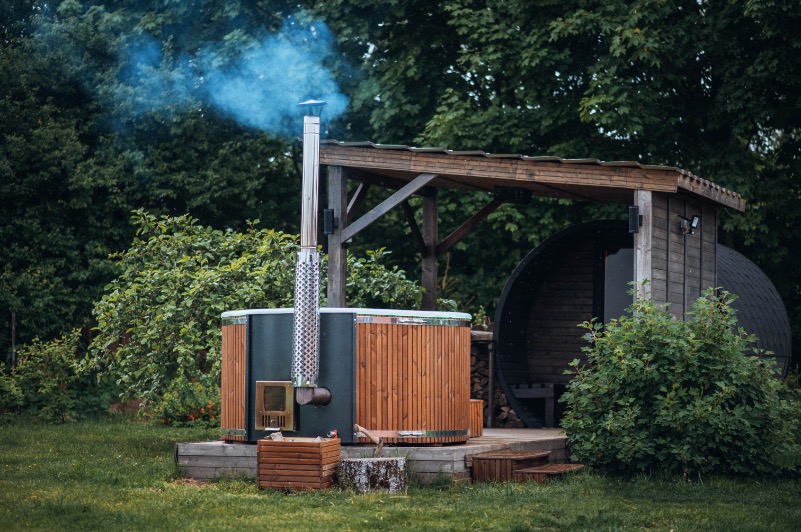
Proper hot tub maintenance starts with understanding how your outdoor hot tub is built and equipped. Classic fiberglass and 3D Granite fiberglass inserts without OsmoGuard® protection require a different water-care routine from OsmoGuard® and acrylic inserts designed for extended water retention.
The heating system, filtration and massage equipment, hot tub cover and exterior cladding also have their own maintenance requirements. Regardless of the configuration, correct water levels, safe heater operation and protection against freezing are essential.
This guide explains how to clean and care for your Maudis outdoor hot tub, from routine checks before each bathing session to water management, equipment maintenance and seasonal care.
Which hot tub maintenance routine applies to you?
The correct maintenance routine depends on the construction of your hot tub insert, the heating system and any additional equipment fitted. While some inserts require water to be drained after each bathing session, others are designed for extended water retention with appropriate water treatment and filtration.
These maintenance requirements are complementary. The shell construction determines how long water can remain in the hot tub, while the heating system and additional equipment determine which other maintenance tasks are required.
For example, a fiberglass hot tub with OsmoGuard® protection and a wood-burning heater requires both regular water care and heater maintenance. Any water-treatment products used must be compatible with the complete hot tub configuration, not just the insert.
For more information about fiberglass shell construction and extended water retention, read our guide to fiberglass hot tubs and OsmoGuard®.
What should you check before every hot tub session?
Before heating your outdoor hot tub, take a few moments to check the water level, heater connections and the condition of any installed equipment.
- Water level. Maudis recommends filling the hot tub to approximately 10 cm below the upper edge, while ensuring that the minimum water-level requirements of the heater and installed equipment are met.
- Heater connections. Check for visible damage or leaks. If your hot tub has an external wood-burning heater, make sure the connecting hoses are securely attached and unobstructed.
- Water circulation. If your hot tub is equipped with an electric heater or circulation pump, ensure that the required water flow is maintained.
- Water quality. If water has been retained between bathing sessions in an OsmoGuard® or acrylic hot tub, check the water quality before use.
Never light a wood-burning heater or operate electric heating equipment without the required water level and circulation. Insufficient water can leave heated surfaces without adequate cooling, leading to overheating and equipment damage.
Before heating your hot tub, ensure that the water level meets the requirements of the heater and any installed equipment.
How long can water stay in a hot tub?
How long water can remain in an outdoor hot tub depends on both the shell construction and the water-care routine. Different materials and protective technologies have different water-retention requirements.
Classic fiberglass and 3D Granite fiberglass
Maudis Classic fiberglass and 3D Granite fiberglass inserts without OsmoGuard® protection are designed for session-based use. Water must be drained within 24 hours, in accordance with Maudis operating recommendations.
Even if the water appears clean, leaving it in the hot tub for extended periods is not recommended. Prolonged water exposure can increase the risk of osmosis-related damage to the fiberglass shell.
OsmoGuard® and extended water retention
Maudis fiberglass shells with OsmoGuard® protection incorporate a vinyl ester barrier designed to reduce water penetration into the structural laminate and the risk of osmosis-related damage.
This technology allows water to remain in the hot tub between bathing sessions. Maudis recommends replacing the water approximately every 2–4 weeks, depending on usage, filtration, disinfection and water quality. Water may need to be replaced sooner if its quality deteriorates.
It is important to understand that OsmoGuard® protects the shell construction but does not disinfect the water. Appropriate filtration, disinfection and regular water-quality monitoring are essential when retaining water between sessions.
Acrylic hot tubs
Unlike Classic fiberglass shells without OsmoGuard® protection, acrylic shells are suitable for long-term water retention. The acrylic surface does not require the same session-based draining routine.
However, suitability for extended water retention does not mean that water can remain untreated or never needs to be replaced. Regular filtration, disinfection, water-quality monitoring and periodic water replacement remain essential.
The water-care routine must also take into account the heating system and other components that come into contact with the water.
Water treatment and heater compatibility
When choosing water-treatment products for your outdoor hot tub, consider the compatibility of the entire configuration, not just the insert. The heater, circulation system, pumps and other components that come into contact with the water may have different material limitations.
Maudis uses AISI 304 stainless steel as standard for its wood-burning hot tub heaters. Chlorine-based water treatment and saltwater are not recommended for heaters made from this steel grade.
AISI 316 stainless steel offers greater corrosion resistance than AISI 304 in many environments. However, it is not corrosion-proof, and its use does not automatically make a hot tub suitable for seawater or unrestricted chemical water treatment.
An OsmoGuard® insert does not automatically require an AISI 316 heater. If chemical water treatment is planned, the chosen treatment method must be compatible with the heater and all other water-contact components.
The following table outlines the water-treatment compatibility parameters for Maudis fiberglass shells with OsmoGuard® protection.
Important: These parameters apply specifically to the OsmoGuard® shell and should not be treated as universal water-treatment recommendations for the entire hot tub. Chlorine and other chemical water-treatment products should only be used when the heater, pumps and all other water-contact components are compatible with the selected treatment method.
For acrylic hot tubs, follow the water-treatment requirements specified for the acrylic insert and the installed equipment.
For comfortable bathing, Maudis recommends a water temperature of approximately 37–40 °C, with 38 °C as a practical reference point. Always observe the operating temperature limits of your specific hot tub configuration.
If you are planning to retain and treat water between bathing sessions, contact Maudis to discuss the suitability of your chosen hot tub configuration and water-treatment method.


Water-treatment compatibility depends not only on the hot tub insert but also on the heater material and other components that come into contact with the water.
How to drain and clean your hot tub
Regular cleaning helps keep the hot tub insert in good condition. The cleaning routine depends on the insert material and whether the water is drained after each bathing session or retained between uses.
Drain the water safely
Never drain a hot tub while the wood-burning heater is still operating or remains hot. Allow the fire to burn out and wait until the heater and water have cooled sufficiently before draining. Removing water too early can leave heated surfaces without adequate cooling and damage the heater, even after the visible fire has gone out. If your hot tub is equipped with electric heating or circulation systems, switch off the relevant equipment before draining, following the instructions for the installed system. Use the designated drainage outlet and direct the water to a suitable disposal location. If the water has been chemically treated, follow local water disposal requirements.
Cleaning fiberglass inserts
For routine cleaning of Maudis Classic fiberglass and 3D Granite fiberglass inserts, use warm water, mild soap and a soft cloth.
- Gently clean the seating areas, corners and waterline to remove visible residue.
- Rinse thoroughly to remove any remaining soap.
- Remove excess water with a soft cloth and allow the insert to dry.
Avoid abrasive cleaning pads, hard brushes, solvents and aggressive household cleaning products, as these may damage the gelcoat surface.
For fiberglass inserts with OsmoGuard® protection, clean and rinse the surface when changing the water. Use non-abrasive cleaning products compatible with the gelcoat. OsmoGuard® protection does not make the surface resistant to all cleaning chemicals.
Cleaning acrylic inserts
Acrylic inserts require cleaning products and tools suitable for acrylic surfaces. Clean the insert when changing the water and pay particular attention to visible residue around the waterline and seating areas.
Follow the care instructions for the specific acrylic insert and rinse thoroughly after cleaning.
How to maintain a wood-burning hot tub heater
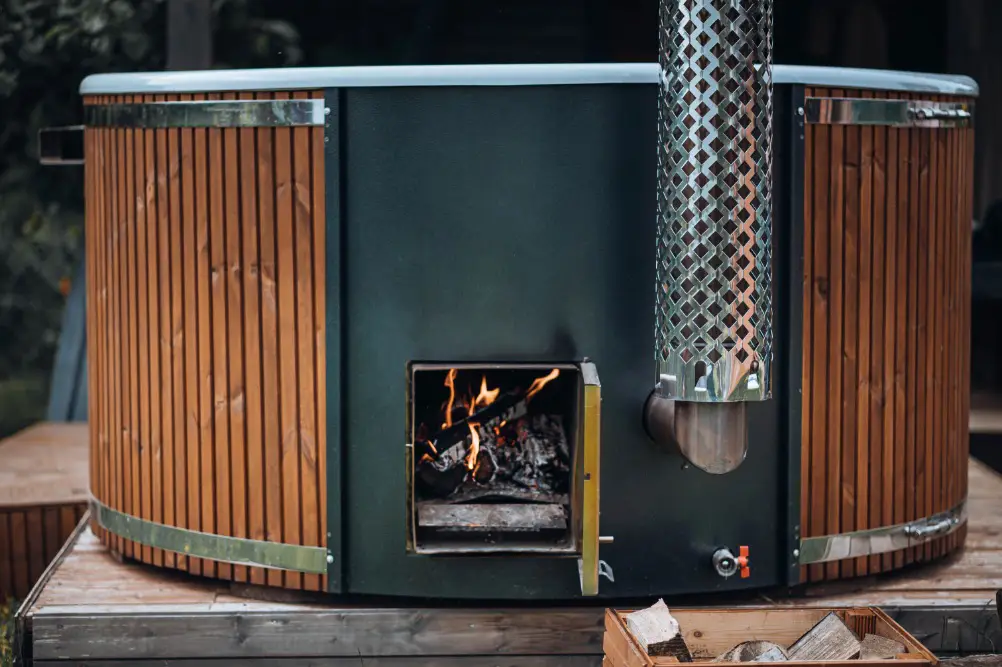
Regular maintenance of a wood-burning heater includes removing accumulated ash, inspecting the firebox and chimney, and checking the condition of heater connections. The maintenance routine also depends on whether the heater is integrated into the hot tub or installed externally.
Firebox and chimney maintenance
Once the heater has cooled completely, remove accumulated ash according to the heater manufacturer’s instructions. Use suitable tools and place the ashes in a non-combustible metal container, as embers can remain hot long after the fire has gone out.
Regularly check the firebox door, visible connections and chimney components for signs of damage or excessive soot accumulation. Follow the heater manufacturer’s recommendations and applicable local requirements for chimney cleaning and inspection.
Integrated vs external wood-burning heaters
With an integrated wood-burning heater, regularly inspect the condition of the heater and its accessible components. An external wood-burning heater requires additional attention to the connecting hoses, clamps and water circulation path between the heater and the hot tub. Kinked hoses or blocked connections can restrict water circulation, leading to overheating and potential heater damage.
Both heater configurations require the correct water level before lighting the fire. Never drain the hot tub while the heater is still hot. When using water-treatment products, always consider the stainless steel grade of the heater and the compatibility requirements outlined in the water treatment and heater compatibility section above.
To learn more about different heating configurations, read our guide to wood-fired vs electric hot tubs.
How to maintain electric and hybrid hot tub systems
Electric and hybrid hot tub systems may include electric heaters, circulation pumps, control units and other electrical components. Their maintenance requirements depend on the equipment installed in your hot tub. Regularly inspect accessible components for visible damage, leaks or signs of unusual operation. Before switching on the electric heater or circulation pump, ensure that the required water level and flow conditions are met.
Do not open or attempt to repair electrical components yourself. Any electrical faults should be assessed by a qualified professional. If your hot tub combines wood-fired and electric heating, both systems require maintenance. Follow the care instructions for the electric equipment as well as the wood-burning heater and chimney. When preparing your hot tub for freezing conditions, follow the winterisation instructions for all installed equipment.

Electric and hybrid hot tub systems require regular inspection and maintenance according to the specifications of the installed equipment.
How to care for filters, massage systems and covers
Additional equipment, such as filtration systems, hydromassage and air bubble massage systems, requires regular maintenance to keep it in good working condition.
Filtration and massage systems
If your hot tub is equipped with a filtration system, inspect and clean the filter regularly according to the equipment manufacturer’s instructions. Check accessible pumps, hoses, connections and massage jets for visible leaks, blockages or signs of unusual operation. The maintenance routine and cleaning frequency depend on the type of equipment installed and how frequently the hot tub is used.
Water may remain inside pumps and pipework even after the hot tub has been drained. This requires particular attention before freezing conditions.
Hot tub cover
Regularly remove leaves, dirt and other debris from the hot tub cover. Clean it using products suitable for the cover material and allow it to dry when needed. Inspect the cover and its fastenings for signs of wear or damage. Avoid placing excessive weight on the cover and follow the manufacturer’s recommendations for cleaning, storage and winter use.
Caring for the hot tub exterior and base
Regular maintenance of the exterior helps keep your outdoor hot tub in good condition. The care requirements depend on the cladding material and its exposure to outdoor weather conditions.
Wooden cladding
In Maudis fiberglass and acrylic hot tubs, the insert holds the bathing water, while the wooden cladding forms the exterior. Unlike traditional all-wooden hot tubs, the cladding does not need to swell to make the hot tub watertight.
Keep the wooden exterior clean by removing dirt, leaves and other debris. Allow the wood to dry and periodically inspect the condition of its protective finish. Renew the protective coating when needed, using a product compatible with the timber and existing finish. The maintenance interval depends on weather exposure, the type of coating and the coating manufacturer’s recommendations.
WPC cladding
Wood-plastic composite (WPC) cladding also requires regular cleaning to remove dirt, dust and other surface residue. Use cleaning products and tools suitable for WPC surfaces, following the material manufacturer’s care instructions.
Checking the hot tub base
A stable, level base is important throughout the service life of your outdoor hot tub, not just during installation. Periodically check the condition of the base for visible signs of settlement, unevenness or movement. Make sure the hot tub remains properly supported and level. If your hot tub has an external wood-burning heater, check that the heater remains at the required level in relation to the hot tub.
For more information about foundation and installation requirements, read our outdoor hot tub base guide or visit our frequently asked questions.
Protecting your hot tub from freezing
Water must not be allowed to freeze inside your outdoor hot tub, heater or any connected equipment. Freezing water expands and can damage the insert, heater, pumps and massage systems, regardless of the shell material. Neither OsmoGuard® protection nor acrylic construction eliminates this risk.
The correct winter maintenance routine depends on your heating system and whether you intend to use the hot tub during colder months.
- Wood-fired hot tubs. When freezing temperatures are possible, drain the hot tub after use once the fire has burned out completely and the heater has cooled. If an external heater is fitted, ensure that no water remains inside it.
- Electric and hybrid hot tubs. If water is retained during winter, the electric heating system must remain powered and maintain a suitable water temperature. Check the system after power outages and follow the equipment manufacturer’s winterisation instructions if heating is switched off.
- Hydromassage and air bubble massage systems. During freezing weather, Maudis recommends activating the massage systems only after the water reaches 30 °C. After draining the hot tub, run the air bubble massage system for approximately 30 seconds to remove residual water from the air lines.
If your hot tub will remain unused during winter, drain the insert, heater and connected equipment completely. Leave the drain valve open and keep the hot tub covered to prevent rainwater, snow and debris from accumulating inside.
For detailed seasonal maintenance instructions, read our guide on how to prepare your outdoor hot tub for winter.
Hot tub maintenance checklist
Use this checklist as a practical reference for routine outdoor hot tub maintenance. The tasks that apply to your hot tub depend on the insert construction, heating system, additional equipment and seasonal conditions.
This checklist provides an overview of routine maintenance tasks. Always follow the specific operating and maintenance instructions supplied with your Maudis hot tub and its installed equipment.
Frequently asked questions
How often should I clean my outdoor hot tub?
Maudis Classic fiberglass and 3D Granite fiberglass inserts without OsmoGuard® protection should be cleaned after each bathing session when the water is drained. For OsmoGuard® and acrylic hot tubs retaining water between sessions, clean the insert when changing the water and remove visible surface residue as needed.
Can I use household cleaning products in a fiberglass hot tub?
For routine cleaning of Maudis Classic fiberglass and 3D Granite fiberglass inserts, use warm water, mild soap and a soft cloth. Avoid abrasive cleaning products, solvents and aggressive household cleaners. For inserts with OsmoGuard® protection, use cleaning products compatible with the gelcoat surface.
How long can water stay in a Classic fiberglass or 3D Granite fiberglass hot tub?
Maudis Classic fiberglass and 3D Granite fiberglass inserts without OsmoGuard® protection are designed for session-based use. Water must be drained within 24 hours, even if it still appears clean.
How long can water stay in an OsmoGuard® hot tub?
Maudis recommends replacing the water approximately every 2–4 weeks, depending on usage, filtration, disinfection and water quality. Replace the water sooner if its quality deteriorates. OsmoGuard® protection does not replace regular water treatment.
Can I leave water in an acrylic hot tub between sessions?
Yes. Acrylic inserts are suitable for long-term water retention. However, appropriate filtration, disinfection, water-quality monitoring and periodic water replacement are still necessary. The selected water-treatment method must also be compatible with the installed heater and other equipment.
Can I use chlorine with an AISI 304 stainless steel heater?
Maudis does not recommend chlorine-based water treatment or saltwater for its standard AISI 304 stainless steel heaters. Before using chemical water-treatment products, check their compatibility with the entire hot tub configuration.
Can I drain my hot tub while the heater is still hot?
No. Allow the fire to burn out completely and wait until the wood-burning heater and water have cooled sufficiently. Draining the hot tub while the heater is still hot can damage the equipment.
How do I protect my hot tub from freezing?
Never allow water to freeze inside the hot tub, heater, pumps or connected pipework. Follow the winterisation instructions for your specific configuration. If the hot tub will remain unused during winter, drain the insert and all connected equipment completely.
Keeping your outdoor hot tub in good condition
Regular maintenance is an essential part of owning an outdoor hot tub. Understanding your hot tub’s shell construction, heating system and additional equipment helps you establish a maintenance routine that suits your specific configuration.
Proper water care, suitable cleaning products, safe heater operation and regular equipment inspections help protect your hot tub and keep it ready for future bathing sessions. Explore the Maudis outdoor hot tub range or contact our team for guidance on choosing a hot tub configuration that suits your bathing habits and maintenance preferences.